How to properly prepare a DXF file for laser cutting
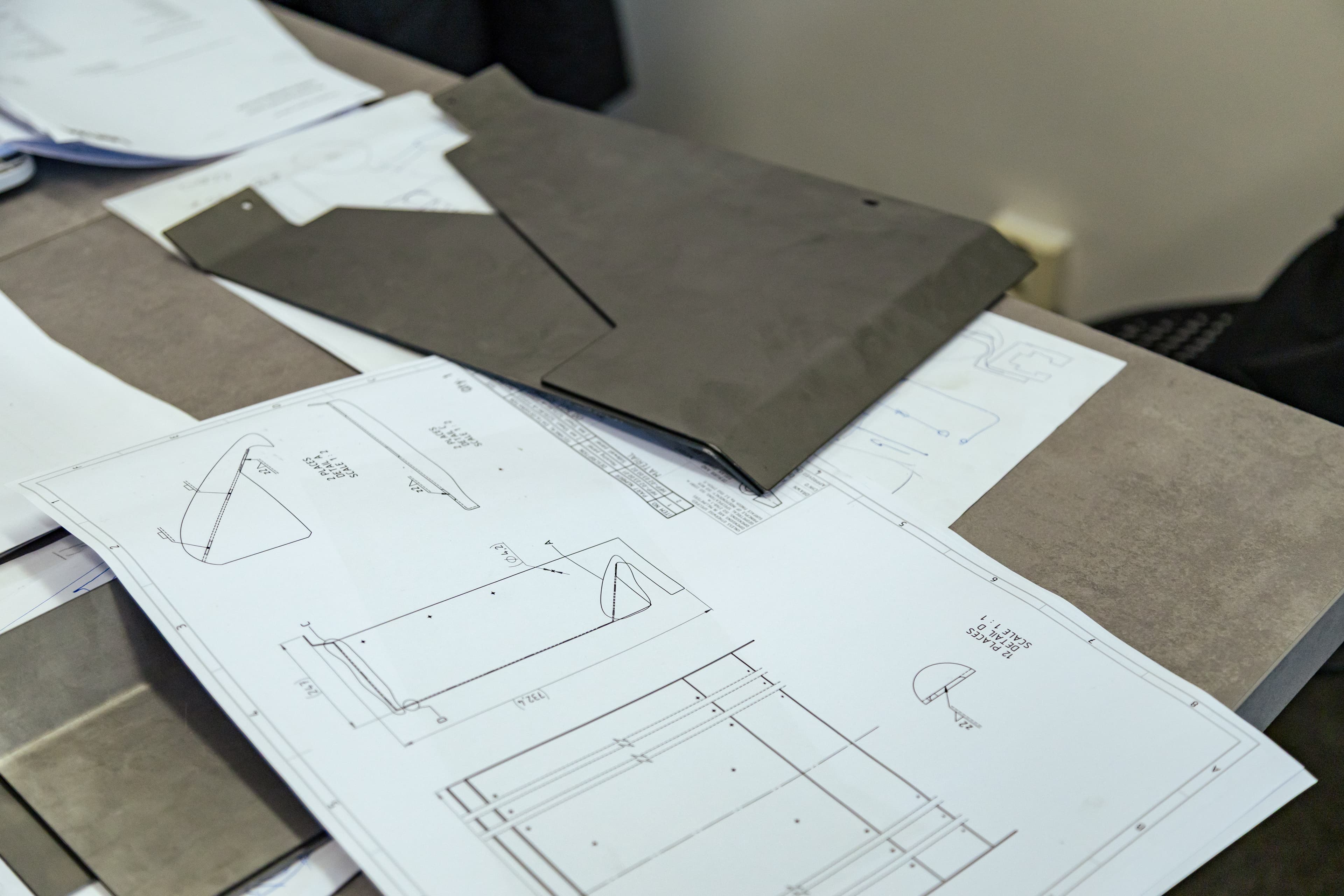
Proper DXF file preparation is key to accurate and cost-effective parts. Learn which layer settings, line widths, and tolerances to use before submitting your order.
Cookie consent banner
We use cookies to enhance your experience, analyze traffic, and personalize content and ads. Some are essential; others only activate with your consent.

Guides, material overviews and technical tips for engineers, manufacturers and designers working with metal parts.

The same laser that cuts a part can also mark it permanently — with a logo, text, serial number, or QR code. We explain the difference between cutting, engraving, and marking, which method suits which material, and how to prepare a file with a separate engraving layer.

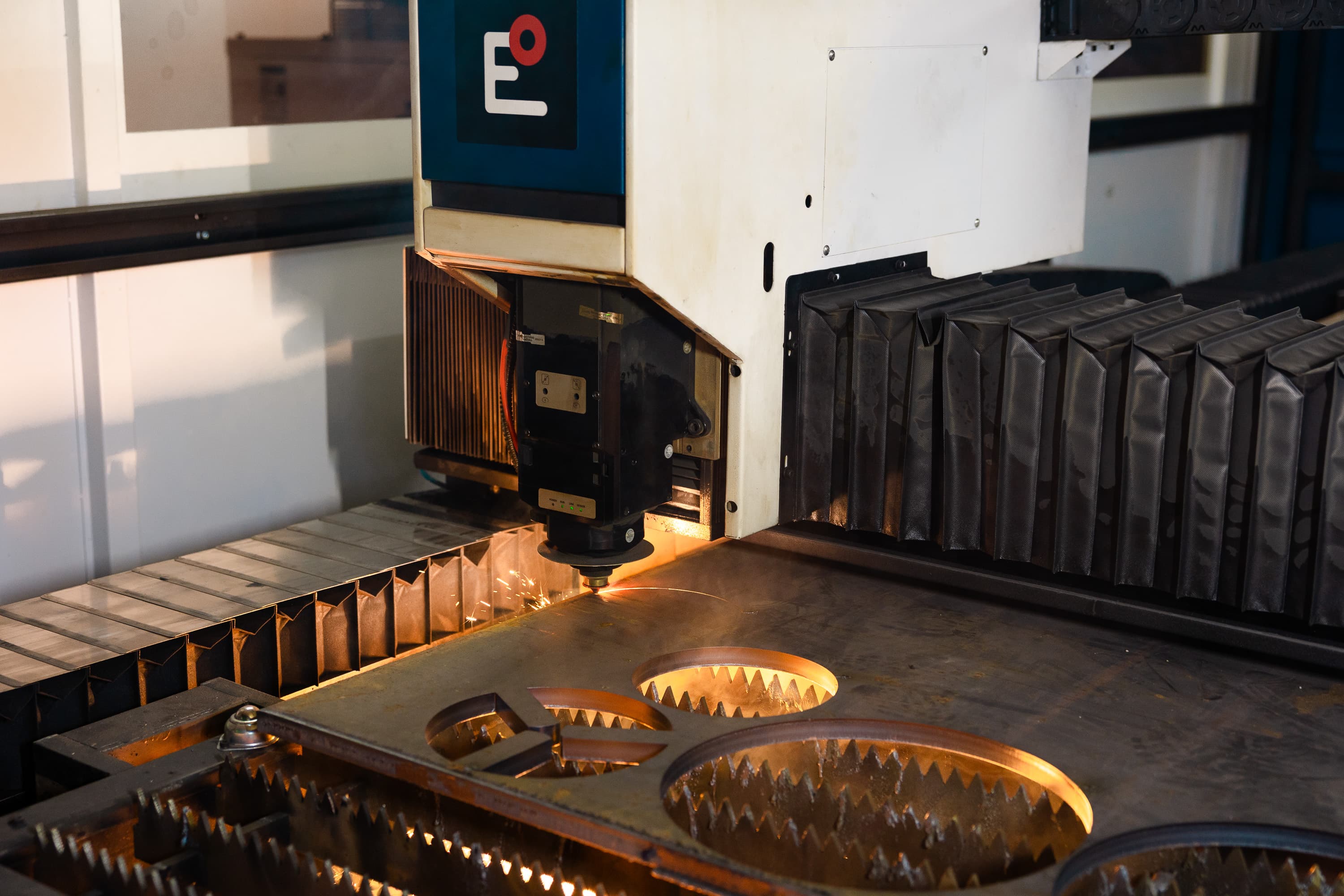
Laser, waterjet, and plasma are the three most common ways to cut sheet metal, yet each shines in a different area. We compare them on precision, thickness range, material range, edge quality, speed, and cost — and show when each one fits.

The choice of assist gas decides edge quality, cutting speed, and cost. We explain when cheap and fast oxygen pays off and when clean but pricier nitrogen is worth it — and which gas suits which material.

A laser cut leaves a clean edge, but a small burr or dross bead can remain on the underside. We explain when deburring is needed, which methods exist, and why edge quality determines coating adhesion and the lifespan of the surface finish.

The way parts are arranged on a sheet directly affects material usage and price. We explain nesting principles, common-line cutting, and how design choices reduce scrap.

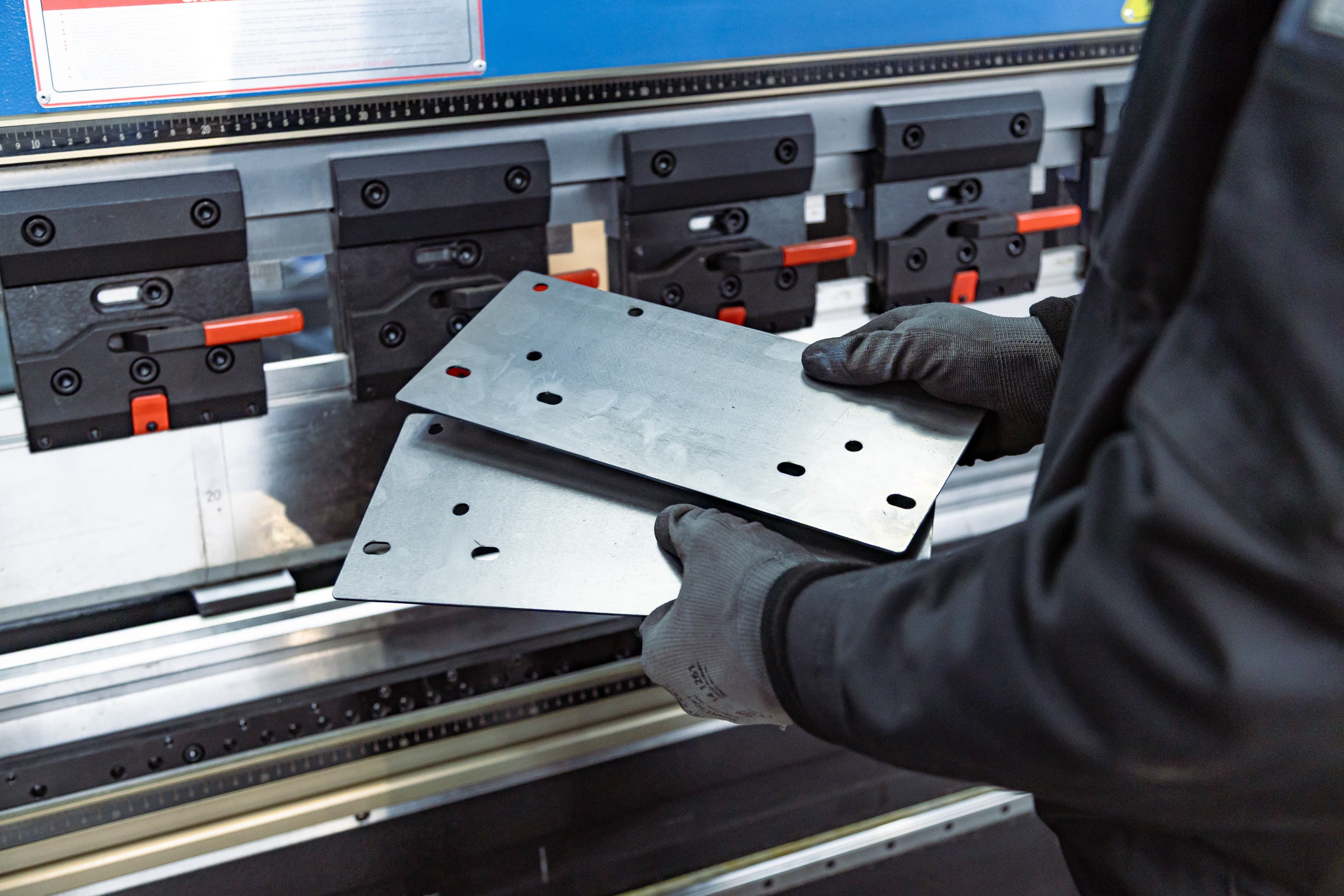
Bending adds a third dimension to flat parts, but it requires the right design. We cover minimum flanges, bend radii, bend relief, and how to account for the flat pattern.

Choosing the right steel sheet thickness directly affects the strength, weight, and cost of your part. We compare common thicknesses from 0.5 mm to 6 mm with typical use cases.

The two most common materials in laser cutting each have their strengths. We compare them in terms of cost, durability, weldability, and surface finish.

A fiber laser achieves tolerances of ±0.1 mm on most materials. We explain what affects tolerances and how to design parts with manufacturing deviations in mind.